
Content Crisis: AI's Impact On Trust
(Image Credit: Entrepreneur)
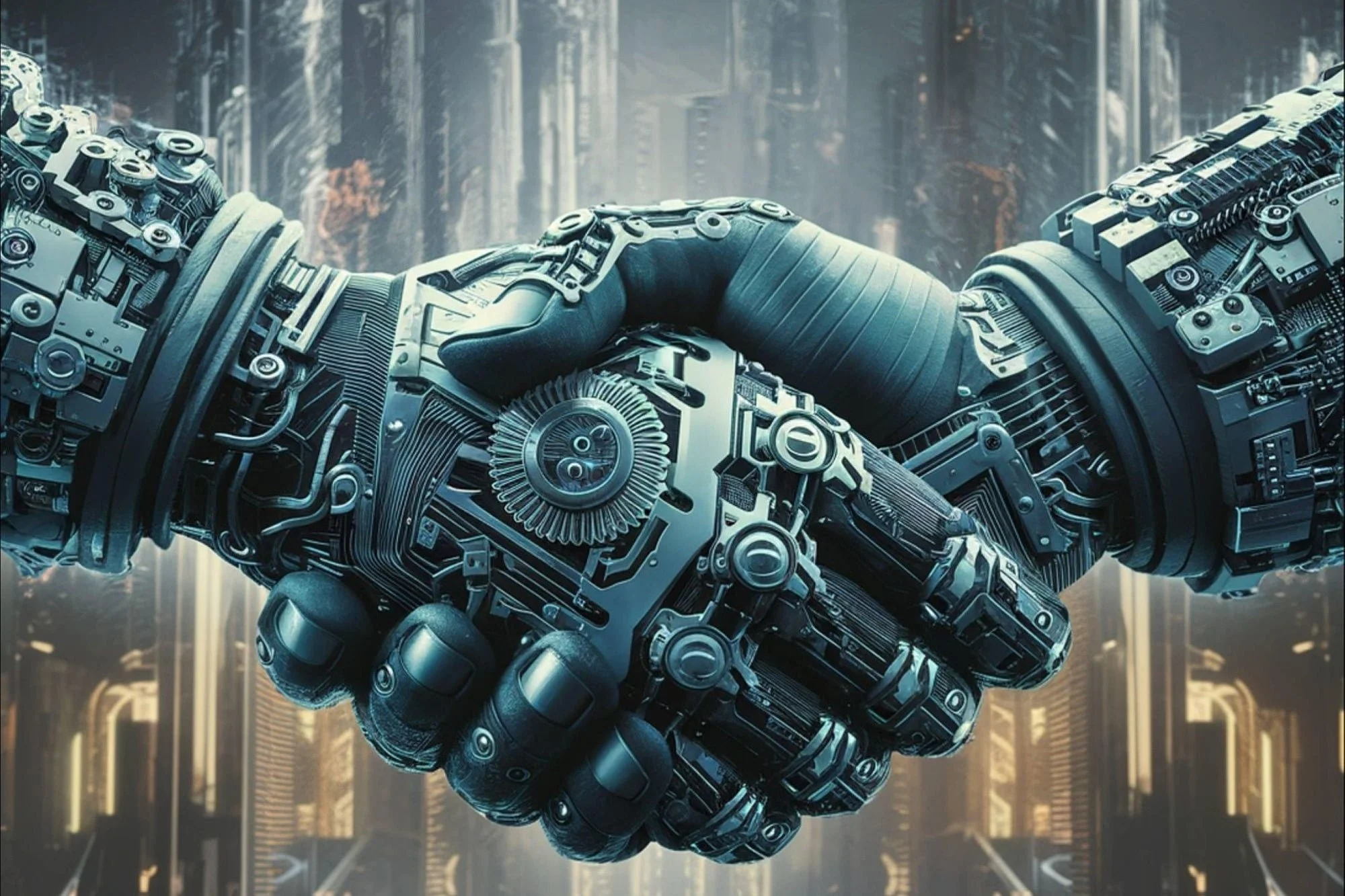
The Quiver has always been about more than just marketing; it’s about the intersection of imagination and accountability. Recently, as I scroll through my feeds or look at the latest creative submissions hitting my inbox, I find myself doing something I never used to do: I’m squinting.
I’m looking for the sixth finger in a lifestyle shot. I’m listening for the slightly-too-perfect cadence of a voiceover. I’m wondering if that "authentic" brand story was actually a prompt-engineered hallucination.
We have entered the era of the Content Crisis of Faith.
(Image Credit: Patagonia
The Rise of the Synthetic Sea
Not long ago, the barrier to entry for high-production content was a hefty budget and a team of specialists. Today, tools like OpenAI’s Sora or Midjourney have democratised "cinematic" quality. But in doing so, they’ve inadvertently devalued the visual currency we’ve spent decades building.
When everything can look "premium," nothing feels "real."
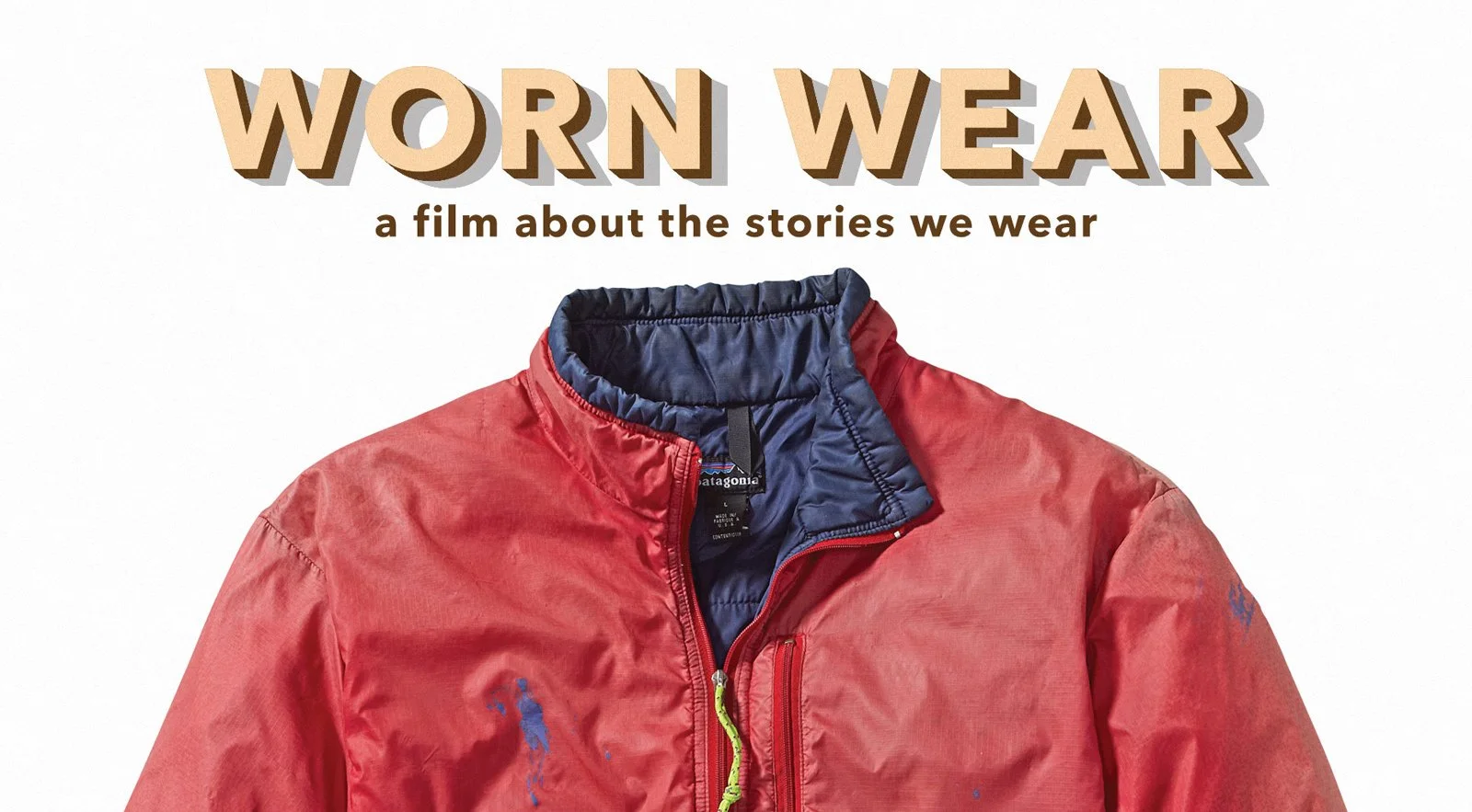
Take a brand like Patagonia. For years, their "Worn Wear" campaigns succeeded because the grit was real. You could see the actual dirt on the jacket and the genuine weather-beaten face of the climber. If Patagonia were to release an AI-generated mountain range tomorrow, the visual might be stunning, but the soul of the brand would evaporate. Why? Because the audience’s subconscious is now wired to ask: "Is this true?"
(Image Credit: Creative Bloq)
The Uncanny Valley of Brand Trust
This skepticism isn't just about images; it’s about the validity of the message itself.
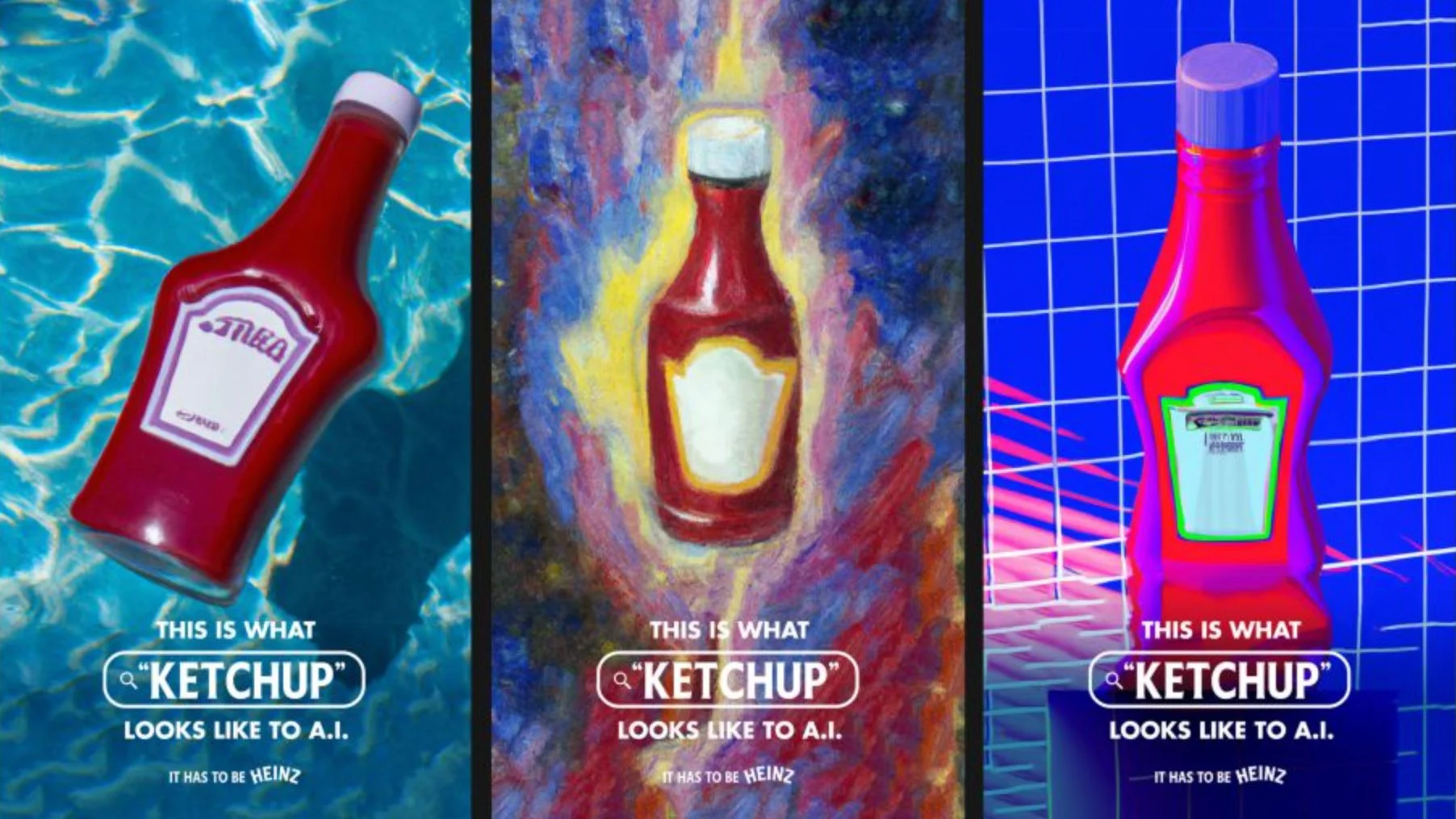
We saw Heinz lean into this brilliantly with their "AI Ketchup" campaign. They asked an AI to "draw ketchup," and it produced images that looked remarkably like Heinz. It was a clever way to use the tool to prove their cultural dominance. But they used AI as a subject, not as a substitute for their brand's truth.
Conversely, we’re seeing a rise in "Slop"—the industry term for low-effort, AI-generated filler content that is currently drowning platforms like LinkedIn and X. When brands use AI to churn out generic "thought leadership" or stock-style imagery, they aren't just saving money; they are taxing their customers' patience.
Every time a user realises they’ve been "tricked" by an AI-generated persona or a deep-faked endorsement, the wall of scepticism grows an inch higher.
(Image Credit: Tribu)
The Return to the Raw
So, where is the "Vane" pointing us?
I believe we are seeing a course correction. As the digital world becomes more synthetic, the value of the "unfiltered" is skyrocketing.
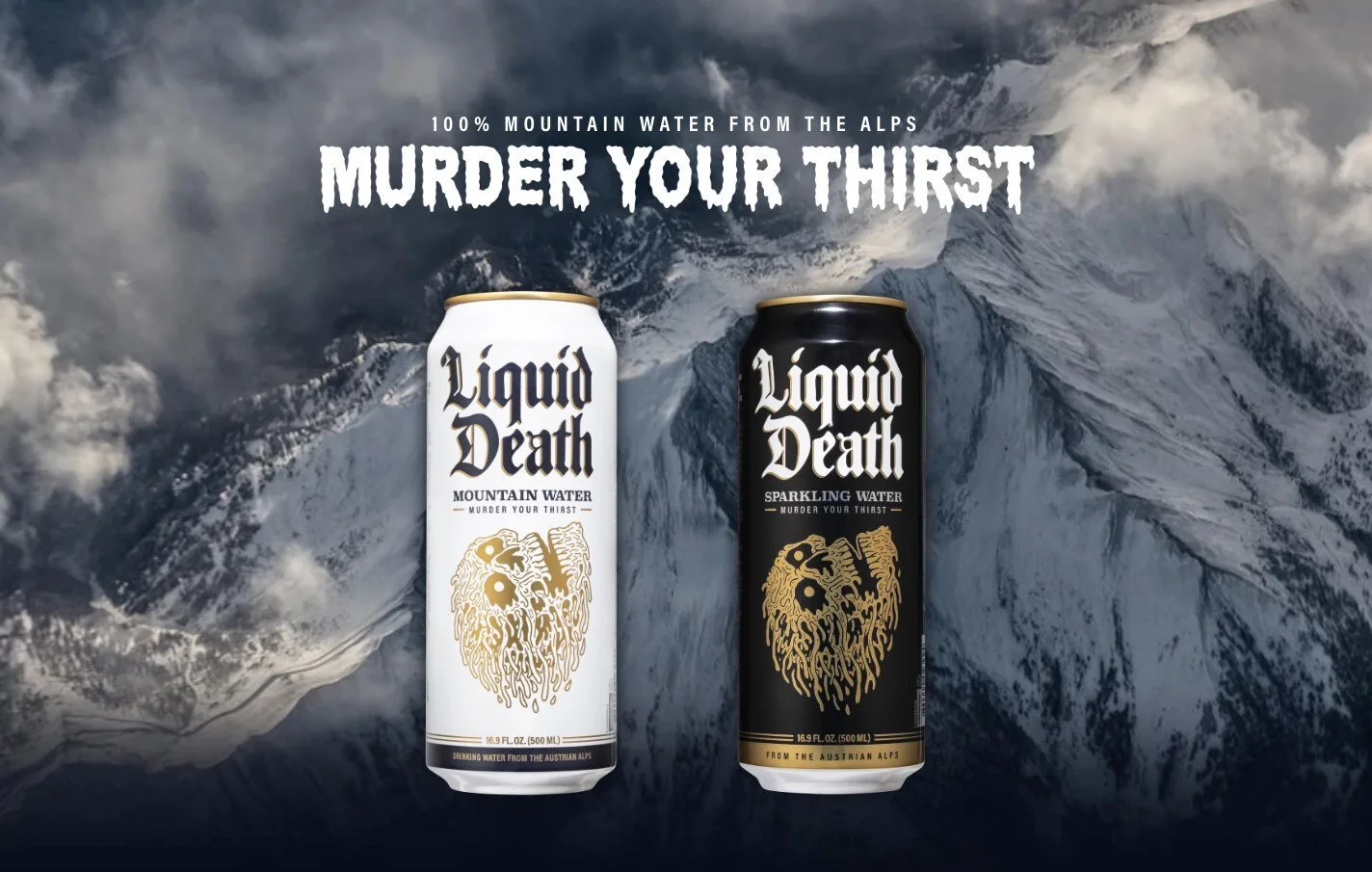
Look at Liquid Death. Their marketing is often chaotic, raw, and looks like it was filmed on a cracked iPhone. It’s the antithesis of "AI-perfect," and that’s exactly why it works. It feels human because it’s flawed.
Even tech giants are feeling the heat. Apple has always leaned on "Shot on iPhone"—a campaign that is inherently about the validity of the human lens. In a world of generative pixels, the fact that a human actually stood in a location and pressed a button becomes a premium attribute.

The Human Vane
At ARROW VANE, we talk a lot about "Action over Hype." AI is an incredible tool for research, for frameworking, and for sparking imagination (as I wrote about in AI’s Human Problem). But as a creator, if you aren't adding a layer of human conviction, you’re just adding to the noise.
The brands that will survive this era of scepticism aren't the ones with the most powerful GPUs. They are the ones who lean into radical transparency.
Show the "making of."
Keep the imperfections.
Tell the stories that an AI wouldn't know to tell because it hasn't lived them.
In an age where you can't believe everything you see, the only thing left to believe in is the person—or the brand—behind the lens.
—
David Gough
Managing Director, ARROW VANE
david.gough@arrowvane.com | LinkedIn