
Are Streaming Services the New TV?
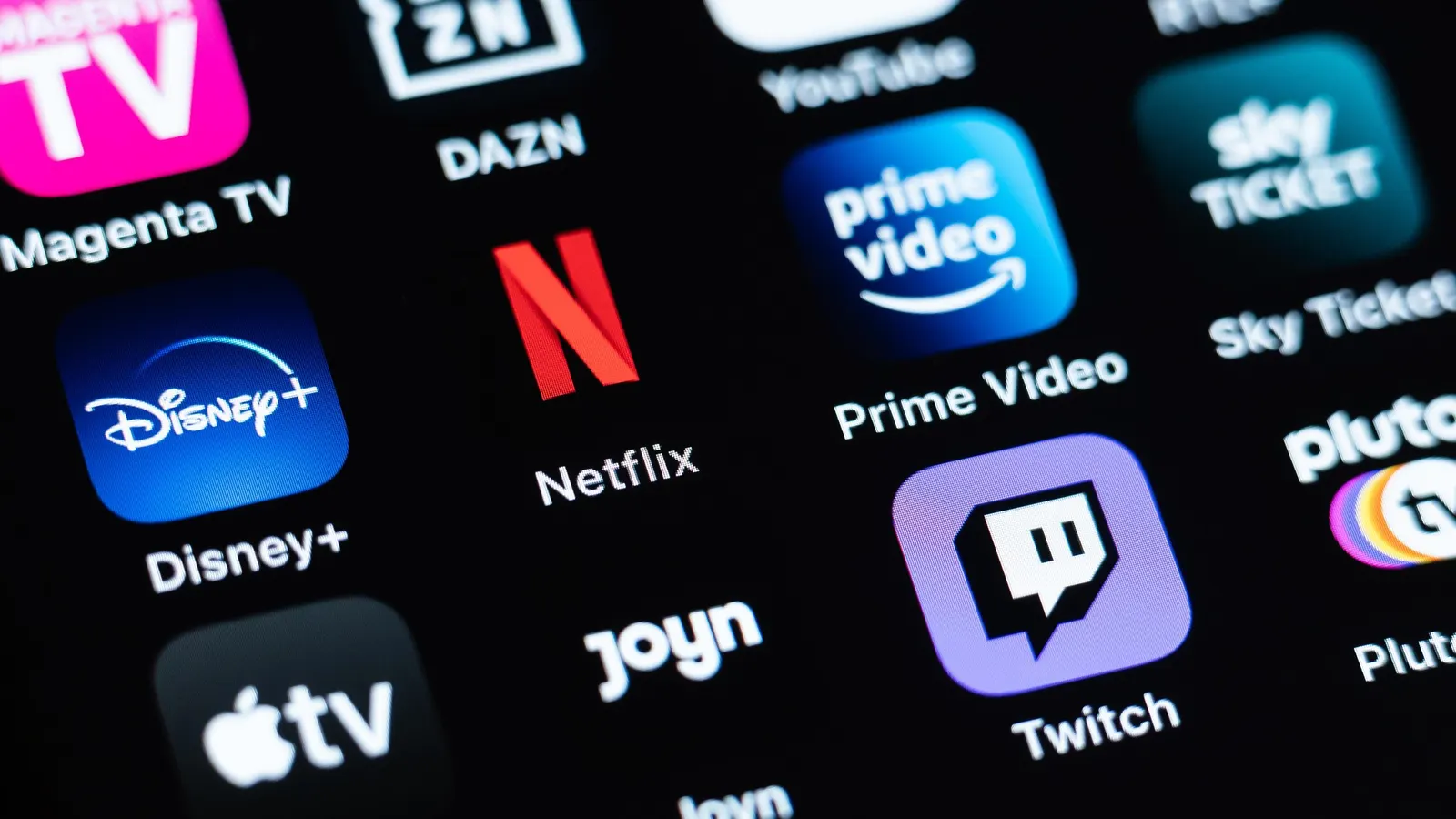
In modern years, streaming has overtaken traditional TV, yet many platforms are now quietly rebuilding the old TV playbook with weekly drops, ad breaks, and bundles. This shift is less a U‑turn and more a sign that streaming is maturing into “TV 2.0” rather than a permanent rebellion against it.
From TV to total takeover
Over the last decade, audiences have migrated from scheduled broadcast and cable to on‑demand, app‑based viewing, with studies showing that a clear majority of weekly TV viewing now happens on streaming, not traditional channels. Younger viewers in particular spend the bulk of their TV time inside streaming apps, pushing advertisers and studios to follow them.
This shift was powered by three promises: watch anything, anytime; no long‑term contracts; and (initially) no ads. Binge‑release seasons like early Netflix originals cemented a new habit where whole weekends would vanish to “just one more episode”.
Why binge gave way to weekly
As more platforms launched, many found that dumping full seasons in one hit had a downside: people could subscribe, binge the show they wanted in a few days, then churn out immediately. Analysis of viewing patterns shows that weekly or staggered releases tend to keep attention and engagement higher for longer compared with all‑at‑once drops.
Weekly episodes also buy time for word‑of‑mouth to build, which is particularly important when a service has a smaller library than a giant like Netflix, as was the case for newer entrants like Disney+ at launch. In practice, that means fans stay subscribed for months to follow a single big franchise season, instead of just a weekend.

The return of ads (on purpose)
Streaming’s economics have changed as content costs have climbed and subscriber growth slowed, pushing platforms to seek more revenue per user. Ad‑supported tiers, once positioned as the “old TV” villain, are now central to strategy, with major services such as Netflix, Disney+ and Amazon Prime Video introducing lower‑priced plans with ads in the last few years.
These ad tiers are attractive because they can actually generate more revenue per viewer than pure subscription plans, while still letting cost‑sensitive customers stay in the ecosystem. As a result, a growing share of premium streaming subscriptions is shifting toward ad-supported options, and ad‑tier viewing is becoming a new normal for mainstream audiences.
Viewers’ habits are fragmenting
Not everyone wants the same thing anymore: binge‑watching is still popular, but a rising minority of viewers actively prefers weekly releases, and that share has grown significantly in recent years. In response, platforms are experimenting with hybrids such as two‑episode premieres followed by weekly drops, or split seasons released in parts.
This “from binge to balance” approach lets services stretch conversation around a title while still offering some sense of instant gratification. It also mirrors old “appointment TV”, where audiences build rituals around live nights and social chatter, only now the appointment is inside an app, not a broadcast schedule.

Streaming as TV 2.0
What looks like a rollback to old TV—ads, weekly schedules, bundles—is really streaming converging on many of the same business mechanics while keeping digital flexibility. Viewers can still watch on demand, cancel more easily, and choose between ad‑free or ad‑light plans, but behind the scenes, the economics now resemble the ad‑supported, serialised model that powered television for decades.
In other words, streaming did beat traditional TV, but the result is not a world without television—it is a new version of television that mixes binge culture, weekly anticipation, and ad breaks into a single, constantly shifting ecosystem.
Team Contributor: Mia Moonsamy
Get in touch: mia.moonsamy@arrowvane.com | LinkedIn