
Serving Looks and Match Points: The Influencer Takeover at the 2026 Australian Open
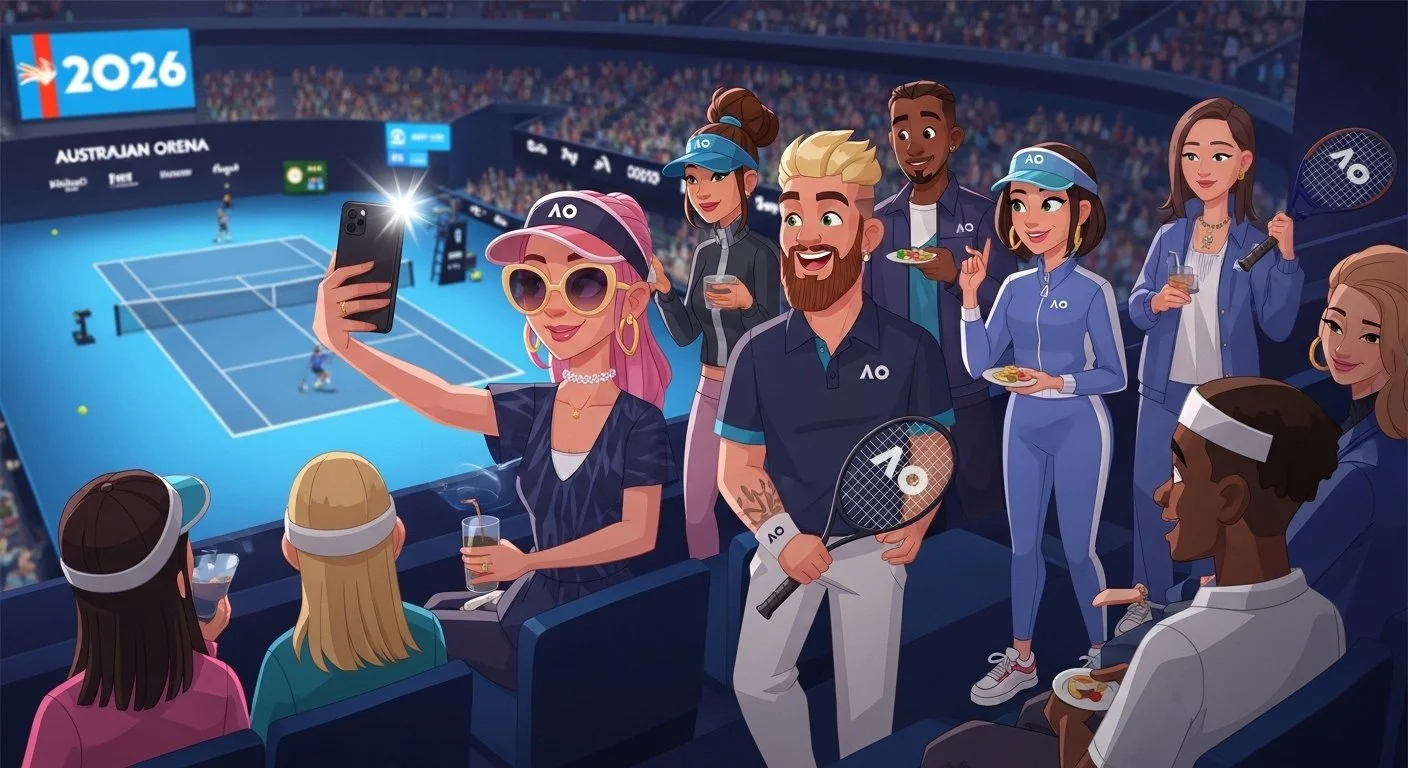
The Australian Open has always been a statement event in sports, but this year, the vibes shifted from the baseline to the front row. If you’ve scrolled through your feed recently, you’ve likely seen more Aperol Spritzes and "tenniscore" outfits than actual 200km/h aces.
This year, Tennis Australia didn't just invite the influencers; they integrated them into every crevice of Melbourne Park. Here’s how the 2026 Australian Open became the ultimate case study in the Experience Economy.
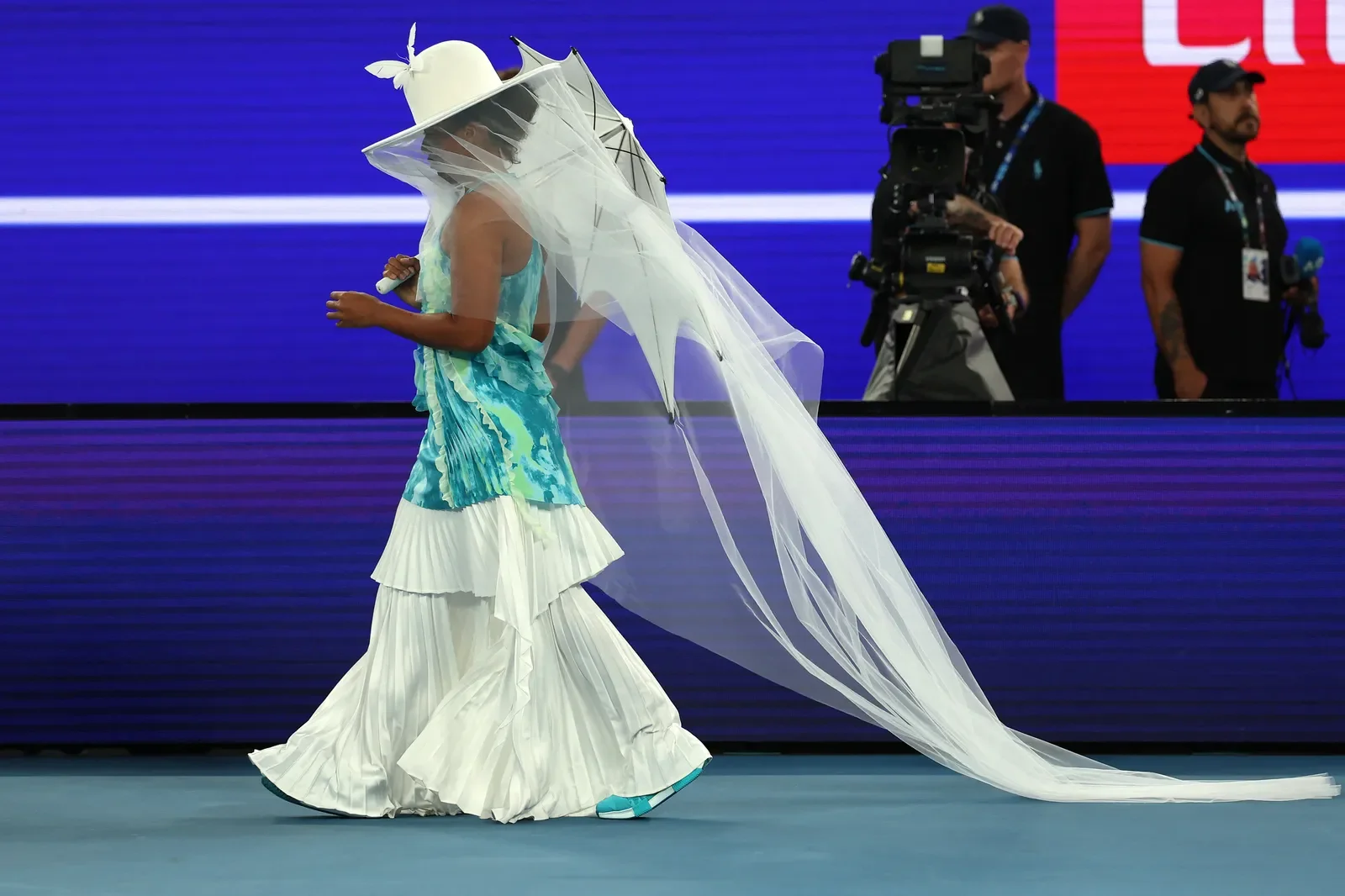
Image credit: Vogue
The On-Court Aesthetic: Players as Living Billboards
In 2026, the on-court kit is no longer just high-performance gear; it is a viral moment waiting to happen.
Naomi Osaka’s "Couture Walkout": Osaka redefined the entrance as a runway, debuting a veil-trimmed hat and a jagged-edge white skirt designed by Nike in collaboration with designer Robert Wun.
Carlos Alcaraz’s Sleeveless Neon: Reimagining the 2012 Rafa Nadal era, Alcaraz’s sleeveless neon green Nike kit was engineered for "physique-centric" social media clips.
The Jewellery Renaissance: Players leaned into "Tennis-core" luxury. We saw an influx of custom jewellery, from Gucci tennis charms to high-end timepieces like the Rolex Cosmograph Daytona with the minty teal dial, seen on both players and A-list spectators like Tom Holland.
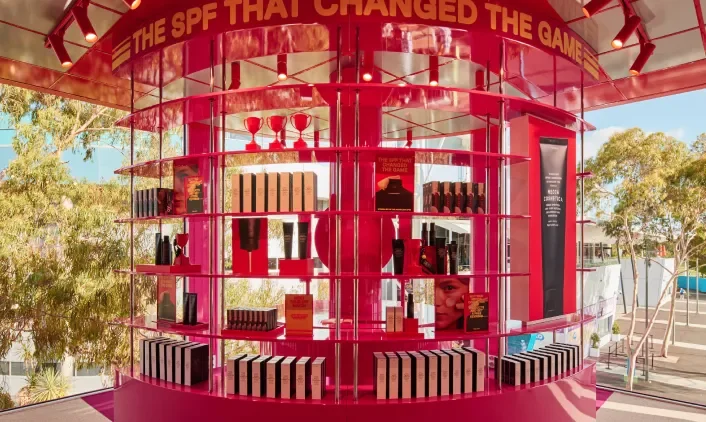
Image Credit: MECCA
Brand Activations That Aced the AO
The experience economy was fueled by brands that offered more than just logos:
MECCA at TOPCOURT: A beauty-meets-sport pop-up where fans could book makeup and hair services. It turned every attendee into an influencer by providing the perfect "look" for social media sharing.
The Grey Goose "Lemon Ace": The official cocktail of the AO was bolstered by an influencer campaign where Aussie creators were gifted ingredients to recreate the drink at home, making the tournament's "vibe" accessible even to those not in Melbourne.
Lipton Ice Tea’s Gen Z Hub: A no-alcohol "TOPCOURT" experience specifically designed for the younger demographic, prioritising aesthetic seating and "Instagrammable" refreshments over traditional corporate hospitality.
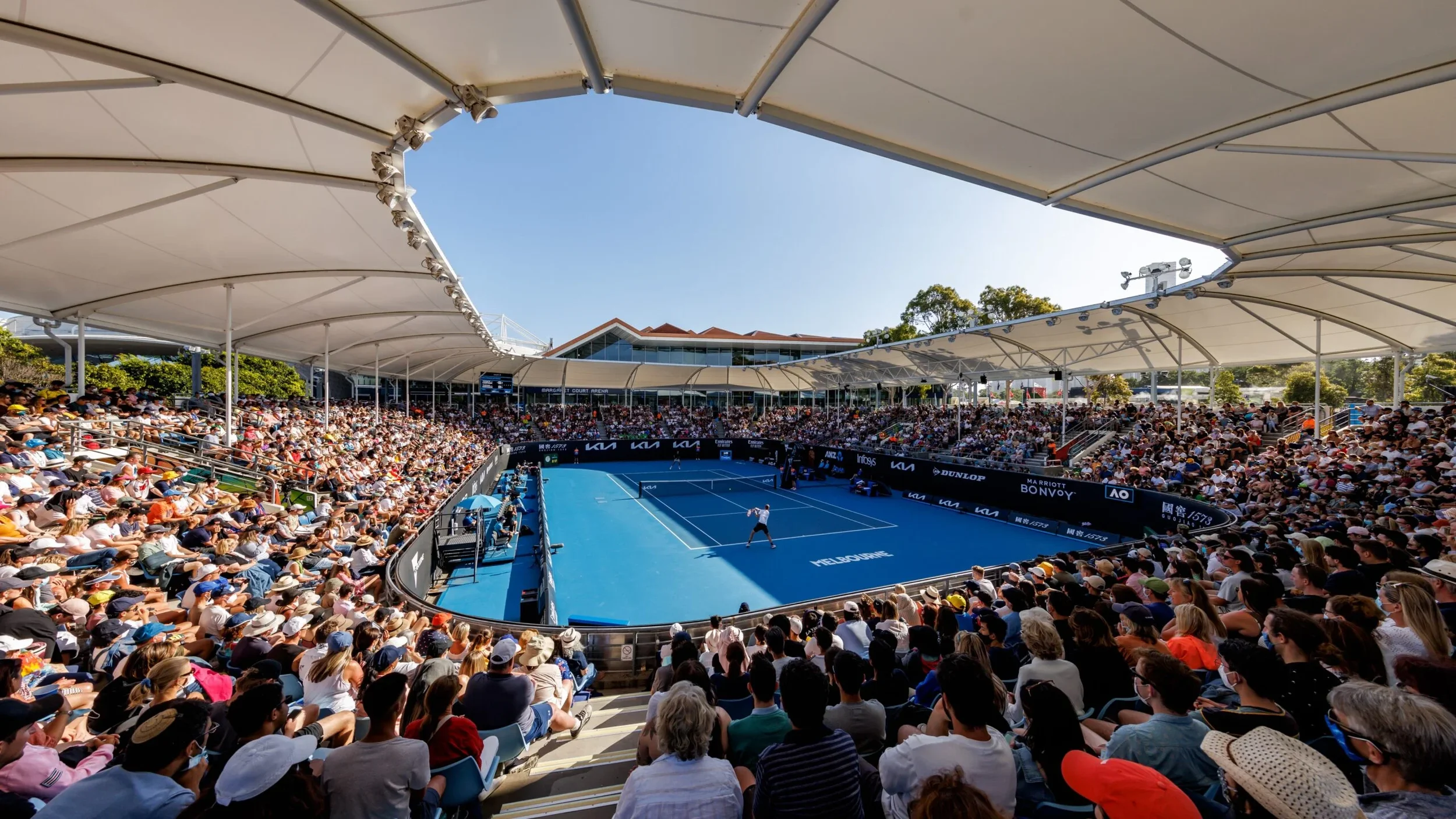
Image Credit: Melbourne Park
The Result: A $600 Million Summer
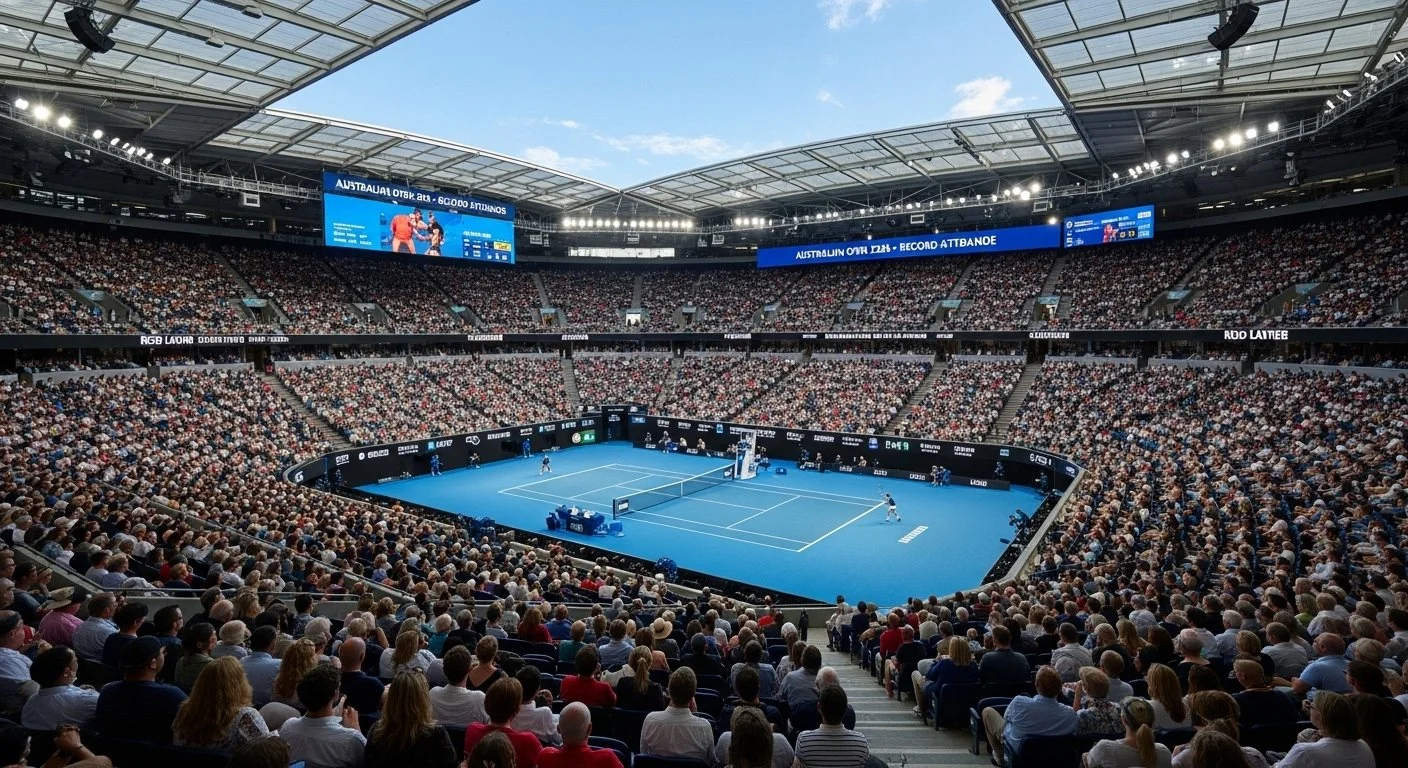
The "festivalisation" of the event—led by CEO Craig Tiley—pushed attendance to record levels, with an average of 100,000 people per day during the first week. By treating the Australian Open as a fashion and lifestyle festival that happens to have tennis, Melbourne Park has become a global benchmark for how sporting events can thrive in the creator-led economy.
The New Court Side: Content Over Coverage
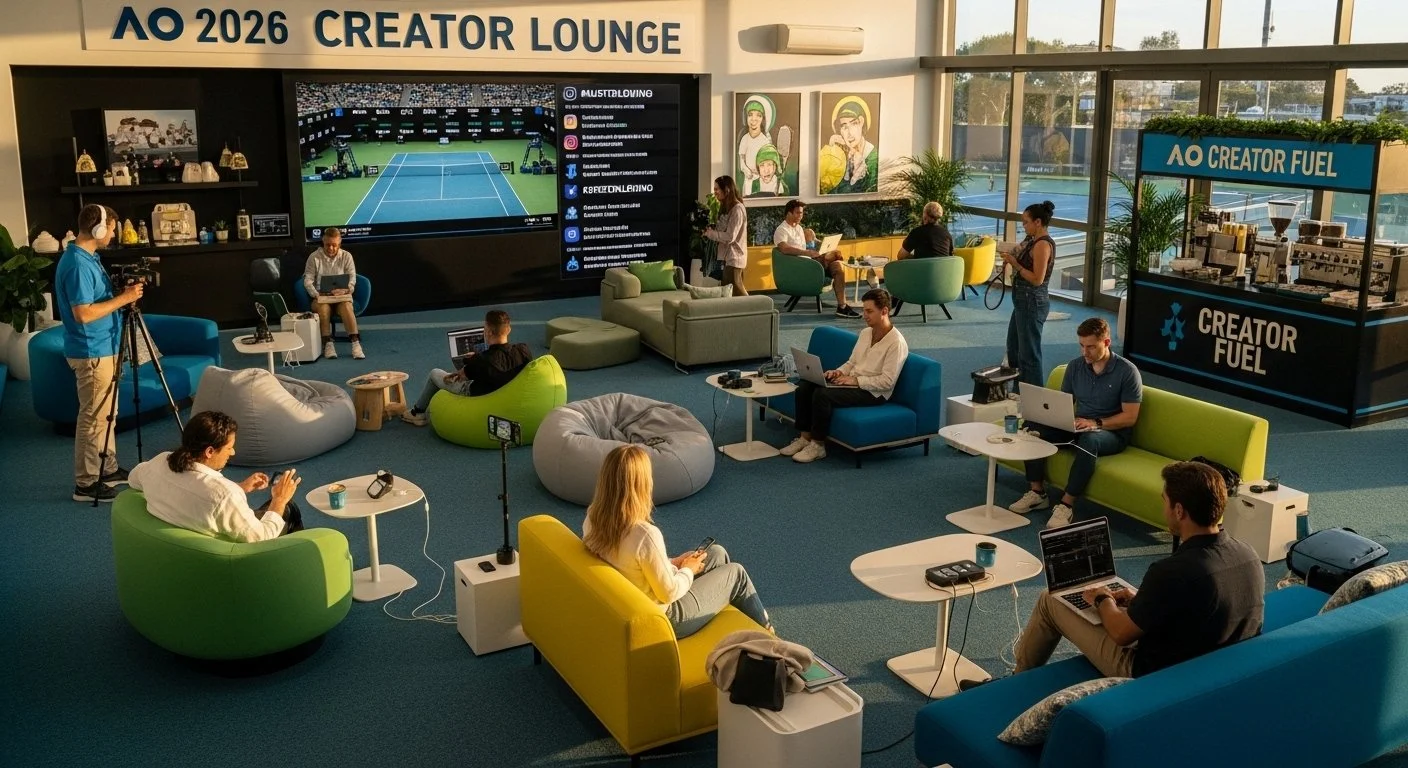
Gone are the days when the only people with "access" were carrying massive broadcast cameras. For the 2026 Australian Open, over 200 content creators were officially engaged by the tournament, a 50% jump from last year.
Tennis Australia even launched a dedicated ‘Creator Lounge’ inside the media headquarters.
The Friction of the "Festivalised" Slam
This year saw a growing debate: Are we here for the tennis or the TikTok?
The Pros: Record-breaking attendance (pushing past the 1 million mark) and a digital reach of over 55 million. This has a flow-on effect to the brands activating at the event.
The Cons: Die-hard fans reported frustration over overcrowding and the feeling that "Main Court" access is becoming a backdrop for a photoshoot rather than a sporting arena.
Why It Matters for Your Brand
The AO’s shift toward "Festivalisation" is a blueprint for any brand looking to stay relevant. By moving the focus from the product (the match) to the lifestyle (the fashion, the food, the sun), they’ve created a multi-sensory brand that people want to be seen with.
Whether you’re a fan of the new "New Media" wave or a purist who misses the quiet of the court, one thing is certain: the Australian Open is no longer just a tournament. It’s a content factory.
Team Contributor: Mia Moonsamy
Get in touch: mia.moonsamy@arrowvane.com | LinkedIn