
Unlocking Imagination: The True Power of AI
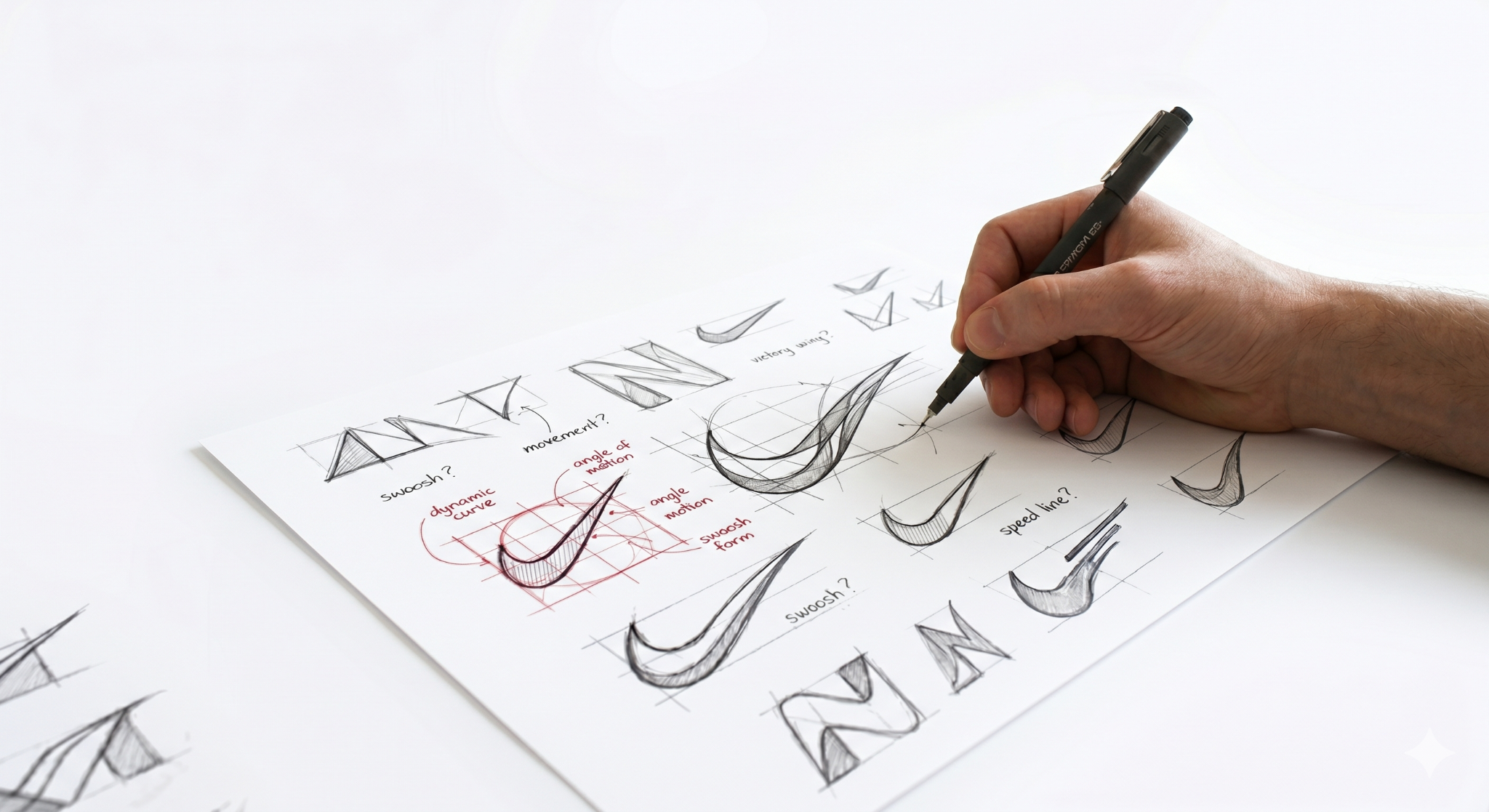
The rise of generative AI has sparked a profound internal conflict for many creatives. On one hand, there is a looming fear that we are drowning in a "sea of sameness," where originality is traded for generic algorithmic output. On the other hand, these tools can be a powerful creative accelerator. Is AI a threat to the creative spirit or its next great frontier?
AI is enabling anyone with a computer or phone to create logos, storyboards with the click of a button. However, because AI tools generate assets based on what already exists, we are seeing a massive spike in generic, derivative aesthetics. Corporate UI, vector illustrations, and landing pages are beginning to look identical because they are being produced from the same prompts.
Creativity can also be the result of serendipity. The 2017 BHP logo was inspired by a lava lamp in a restaurant. AI follows algorithms. When the friction of the creative process is entirely removed, the soul of the work often goes with it. The prompt-and-deliver pipeline bypasses the deep, agonising conceptual thinking that pushes boundaries. It turns designers from creators into curators of algorithmic output.

Coca-Cola’s 2024 holiday ad serves as a stark example of the potential pitfalls of using AI. For over 30 years, Coca-Cola’s iconic, live-action Christmas trucks driving through snowy towns have signalled the official start of the holiday season. In 2024, the brand decided to release a version created entirely with generative AI. The public backlash was immediate and severe. Audiences noticed odd clipping, lifeless human extras, and uncanny-valley physics. The ad felt sterile, corporate, and utterly devoid of Christmas warmth.
Coke swapped out genuine human nostalgia and high-end cinematography for algorithmic automation. They used AI as a cost-saving shortcut for a campaign whose entire value relies on human feeling. It proved that when you extract the soul from a heritage brand asset, consumers notice immediately.
On the flip side, when used correctly, AI doesn't replace the spark; it fuels the fire.
AI enables efficient execution. Tedious, uncreative tasks, like extending a background, resizing assets for twenty different ad formats, or removing complex objects, are handled instantly. By cutting out the mechanical grunt work, AI hands creatives back their most valuable asset: time to actually develop an idea.
In the past, moodboarding and storyboarding took days of hunting for references or sketching concepts. Today, AI can visualise abstract thoughts in seconds. This doesn't replace the final design; it radically expands the sandbox.
AI also enables anyone who has a creative idea to develop it. What used to be exclusively the realm of the Creative Director at a large advertising agency can be explored by anyone at any time.
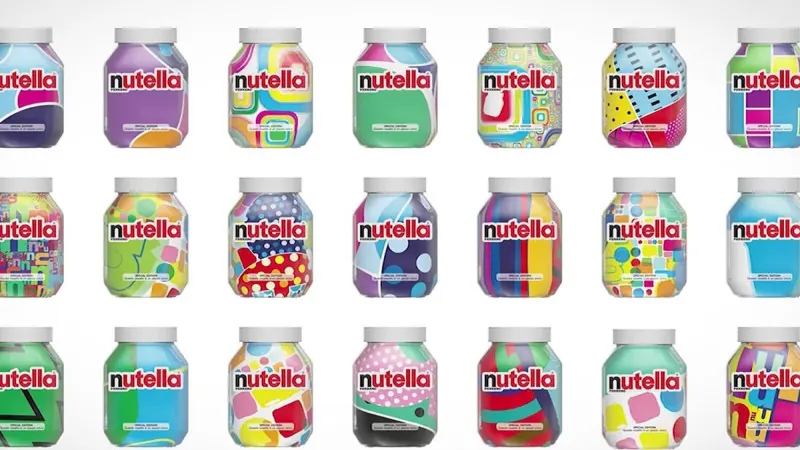
Nutella Unica
One example that uses AI to enhance creativity is Nutella. It wanted to celebrate the unique spirit of Italian identity. Instead of hiring a design agency to create dozens of limited-edition labels, they designed a custom AI algorithm and fed it a strict palette of Nutella's brand colours and geometric patterns. Using AI, it generated seven million unique jar designs, ensuring that no two jars sold across Italy were exactly alike.
A human design team could never manually illustrate seven million distinct, on-brand variations. AI wasn’t used to replace the designer's vision; it was used as a high-speed printing and variation engine to execute a concept that only works at a massive, impossible scale. It turned a mass-produced product into a localised collectible
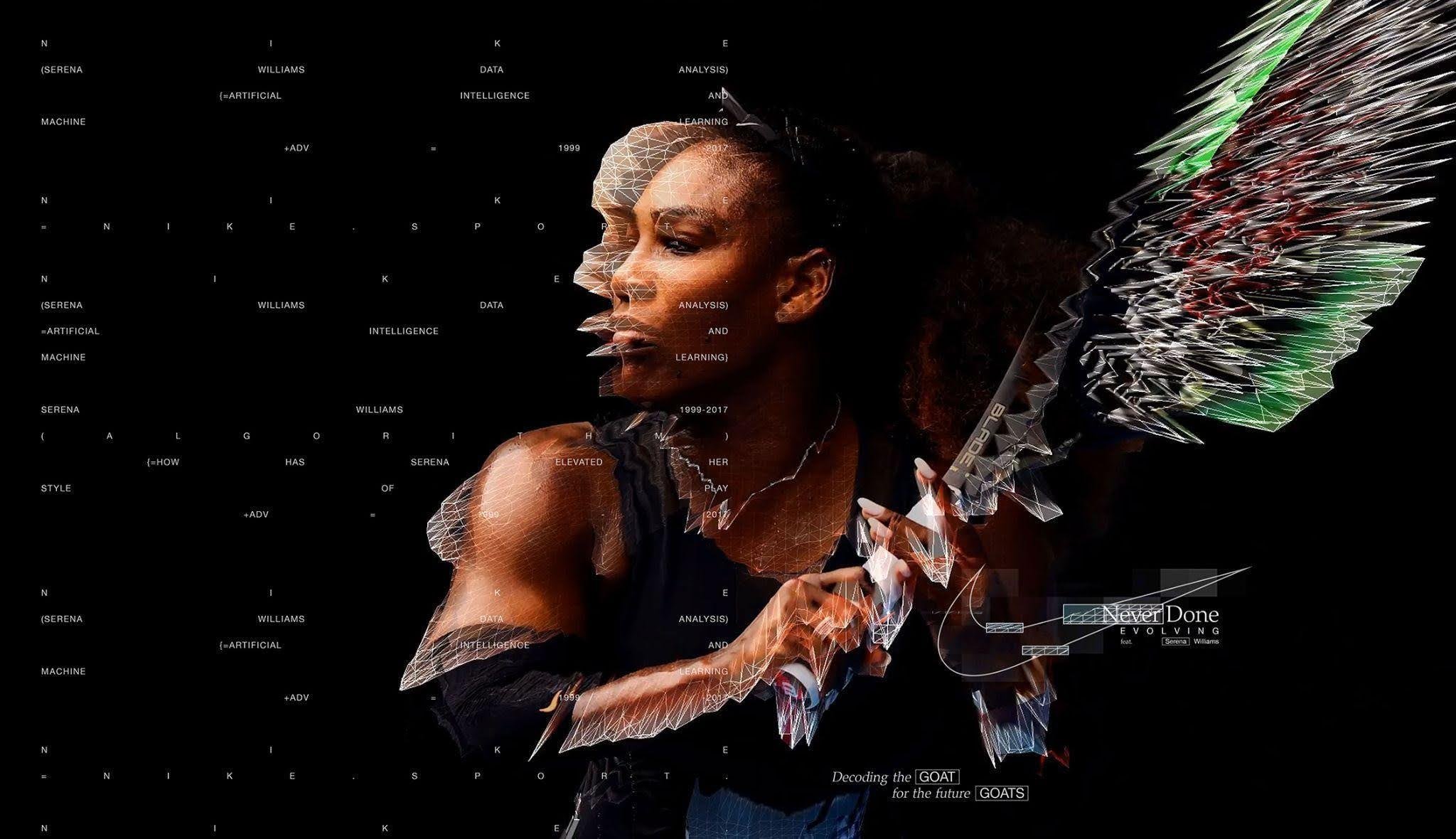
Nike: "Never Done Evolving"
To honour Serena Williams' retirement, Nike and AKQA wanted to visualise her legendary career progression. They used AI to analyse archival footage of her gameplay over two decades. The AI mapped her changing physical mechanics, serving as the core engine to render a realistic, virtual tennis match between 17-year-old Serena (from her 1999 US Open win) and 35-year-old Serena (from her 2017 Australian Open win).
This wasn't a lazy deepfake or a gimmick. Nike used AI to synthesise data into a deeply emotional, poetic narrative about human longevity and self-competition. It was a creative storytelling concept that literally required machine learning to exist.
At its core, the essence of creation lies in the concept, not the execution. While the tools we use to build are changing rapidly, the human imagination remains the irreplaceable foundation. If AI can serve as a collaborative partner to develop and execute those visions, it shouldn't be viewed as a threat to creativity, but as its next great accelerator.
Team Contributor: Michaela Scott
Get in touch: michaela.scott@arrowvane.com | LinkedIn