
Hitting the Net: The New Playbook for Marketing the 2026 FIFA World Cup
Image: Goal.com
We are now just weeks away from the 2026 FIFA World Cup kickoff. Spanning the U.S., Canada, and Mexico, this tournament isn't just making history with its expanded 48-team roster, it is completely rewriting the rules of brand engagement. With a projected global viewership of 5 billion, the sheer scale of attention is unprecedented. But for sports marketers, the old playbook of dropping millions on a static logo and a massive TV ad buy is officially obsolete.
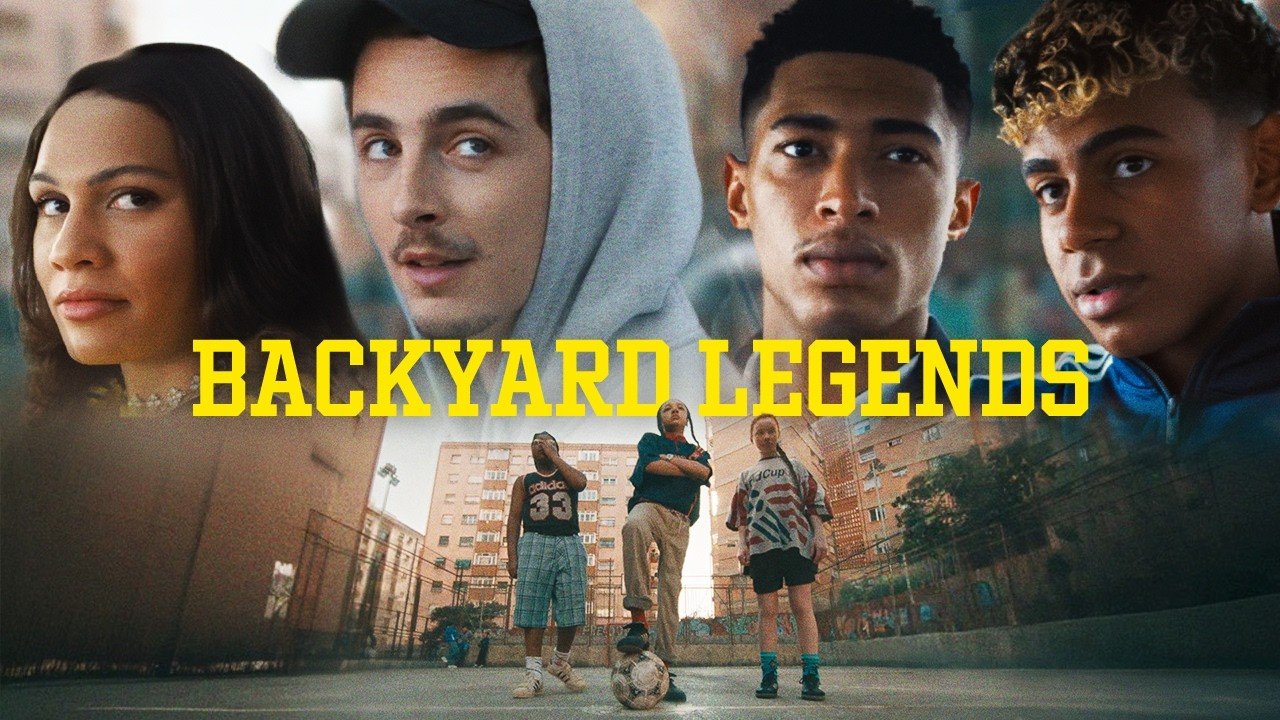
Image Credit: Adidas
The Shift from Spectators to Stakeholders
Fandom has fundamentally evolved since the last time the World Cup was in North America. Fans no longer just watch the games; they participate, remix, and co-create the narrative.
Second-Screen Dominance: Fans are watching matches while simultaneously interacting in live chats, managing fantasy leagues, and scrolling through social feeds.
Agility is Everything: The most memorable moments happen unexpectedly. Brands that can react in real-time to a dramatic upset or a spectacular goal will win the digital conversation.
Cultural Crossovers: Brands are increasingly proving that soccer culture extends far beyond the pitch. Take Adidas's "Backyard Legends" campaign. Instead of placing athletes in a pristine stadium, they set their ad in a gritty, 90s-vibe street match. Starring actor Timothée Chalamet and musician Bad Bunny alongside football icons like Lionel Messi, Lamine Yamal, and Zinedine Zidane, Adidas perfectly blends Hollywood, streetwear, and nostalgia to appeal to both Gen Z pop-culture enthusiasts and Millennial football purists.
Mapping the Emotional Journey: Coca-Cola's "Uncanned Emotions" campaign completely shifts the spotlight from the pitch to the living room. Featuring legendary play-by-play announcers like Peter Drury and Luis Omar Tapia narrating the fans rather than the match, Coca-Cola validates the raw, unfiltered roller coaster of joy and anxiety that fans experience. It proves that treating the World Cup as a season of shared emotion beats a single, generic hype commercial.
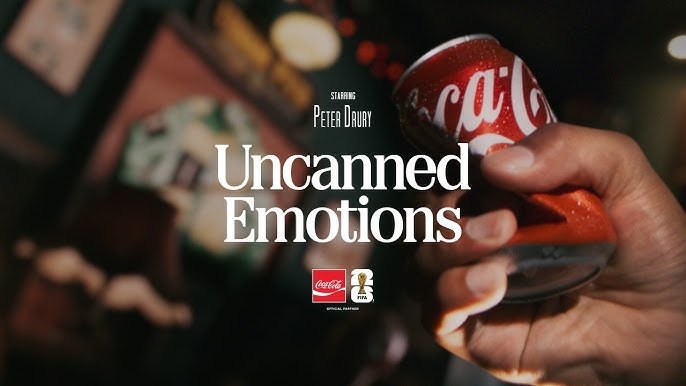
Image Credit: Coca-Cola
Creating Conversation & Getting Attention
1. Empower the Fan as a Stakeholder
To drive conversation, brands must recognise that fans are no longer passive viewers. They are active participants who want to shape the narrative.
Encourage Co-creation: Create campaigns that invite fans to participate, remix content, and add their own spin rather than just broadcasting a message at them.
Fuel the "Second-Screen" Experience: Design content specifically for the platforms fans are using while they watch the game. Build assets that easily integrate into live chats, fantasy league trash talk, and real-time social media scrolling.
2. Master Real-Time Agility
To dominate the feeds, a brand's timing is just as important as its message.
Plan for the Unexpected: The most viral moments come from sudden upsets or spectacular, unscripted goals.
React Instantly: Brands must have agile marketing teams ready to publish clever, relevant reactions the moment a dramatic event happens on the pitch. Speed wins the digital conversation.
3. Leverage Cultural Crossovers
To grab the attention of diverse demographics, brands must recognise that soccer culture extends far beyond the stadium.
Blend Industries and Vibes: Step away from pristine, traditional sports settings. Mix football with fashion, music, Hollywood, and nostalgia (e.g., streetwear and 90s aesthetics).
Mix Unexpected Icons: Combine traditional football legends (like Messi or Zidane) with pop-culture heavyweights (like Timothée Chalamet or Bad Bunny) to simultaneously capture Gen Z pop-culture fans and Millennial football purists.
4. Map and Validate the Emotional Journey
To resonate deeply and avoid being ignored as a "generic hype commercial," brands need to focus on the fans themselves.
Shift the Spotlight off the Pitch: Highlight the raw, unfiltered roller coaster of emotions happening in living rooms, bars, and watch parties.
Celebrate Shared Emotion: Validate the anxiety, joy, and heartbreak fans experience. Treat the tournament as a season of shared human emotion rather than just a sporting event.
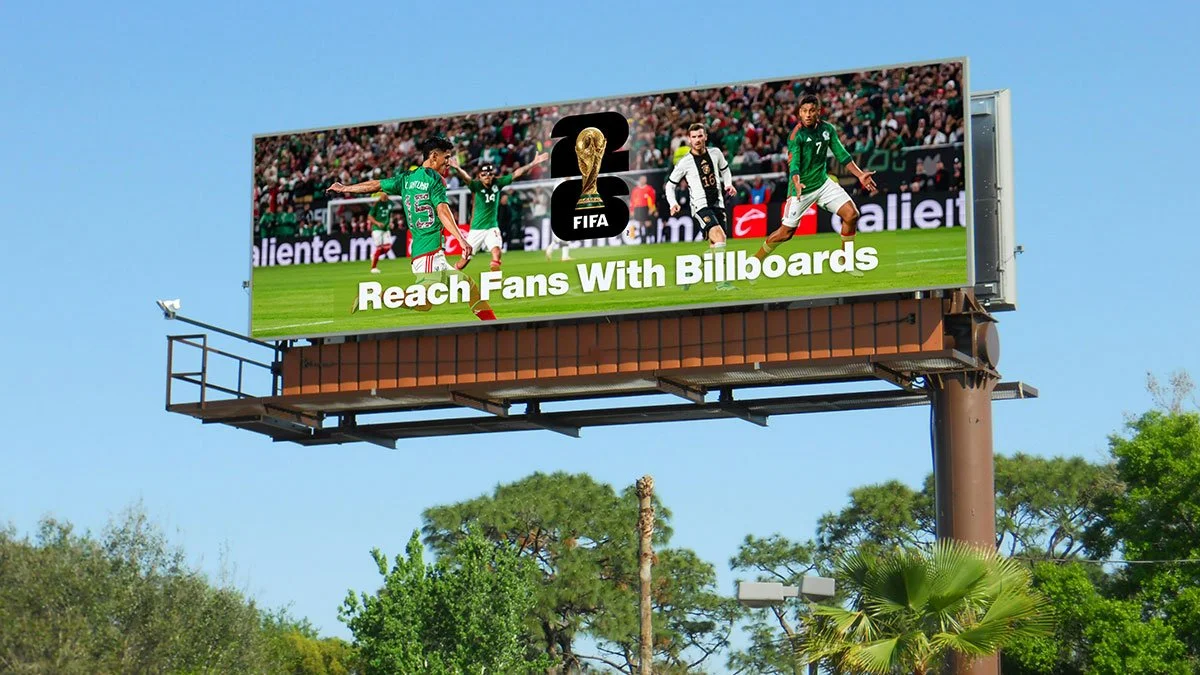
Image Credit: Blue Line Media
The Out-of-Home (OOH) Revolution
With the tournament spread across 16 major North American hubs, host cities are transforming into independent, highly localised media platforms.
Out-of-Home advertising is no longer static. Billboards and transit ads can now react in real-time. If a historic goal is scored in Mexico City, or foot traffic surges outside a stadium in Los Angeles, digital screens at local transit hubs can instantly update their creative to reflect the live emotion of the city.
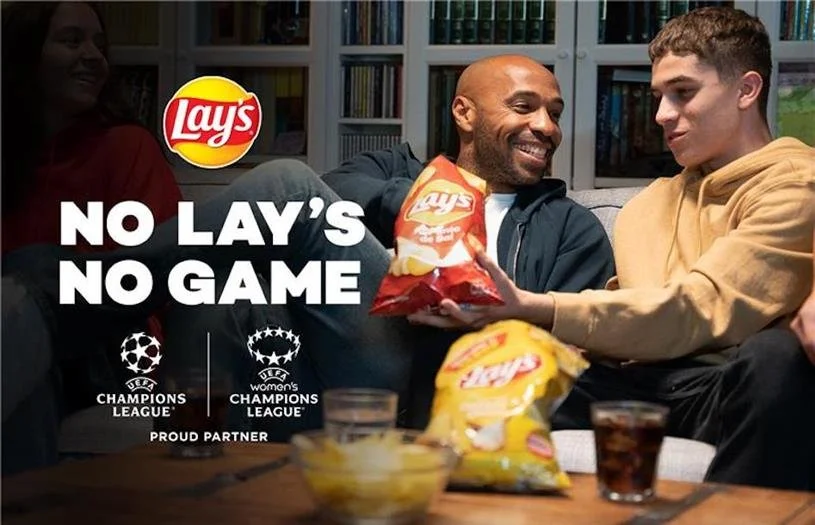
Image Credit: Lay’s
Splitting the Audience: The Lay’s Case Study
How do you market to 5 billion people? You don't. You market to distinct communities. Official sponsors are recognising that "the football fan" is not a monolith.
A perfect example is Lay’s dual-campaign strategy for 2026. Recognising the unique dynamic of the U.S. market, where football is growing but still competes heavily with other major sports—they split their approach:
"No Lay’s, No Game": Their international campaign targeting the hardcore, established soccer lovers who live and breathe the sport.
"Bandwagon": A U.S.-specific campaign aimed at entertainment lovers and casual fans who just want to join the massive cultural party.
The 2026 World Cup is a golden opportunity to intersect with consumers in emotionally charged, real-world environments. But remember: the brands that win won’t necessarily be the ones with the deepest pockets. They will be the ones with the sharpest aim.
It is time to move past the static billboards and generic hype reels. Engage your audience on their second screens, tap into their cultural rituals, and be ready to pivot the moment the tournament delivers the unexpected.
Draw your bows, marketers. The world is watching.
Team Contributor: Mia Moonsamy
Get in touch: mia.moonsamy@arrowvane.com | LinkedIn