
Changing the Game: The New Era of Female Fandom

Traditionally, sports marketing has heavily skewed towards a male demographic. However, the landscape is changing, and smart marketers are recognising the immense, untapped potential of female sports fans. This isn’t about inclusivity; it's about significant commercial growth and a richer, more diverse fan base.
The Shifting Sands of Sports Fandom
For decades, the image of a sports fan was predominantly male: the father and son at a football game, the guys meeting up at the cricket for the Ashes. While these images still hold true, they no longer represent the full picture. Women are engaging with sports at unprecedented levels, not just as casual observers but as deeply invested, knowledgeable, and passionate fans. They are attending games, buying merchandise, following athletes on social media, and consuming sports content across various platforms.
This demographic shift represents a goldmine for brands. Women control a significant portion of household spending (approx. 80%), and their purchasing decisions are often influenced by their interests and passions. Tapping into female sports fandom isn't just about selling pink jerseys; it's about understanding motivations, building genuine connections, and creating experiences that resonate.
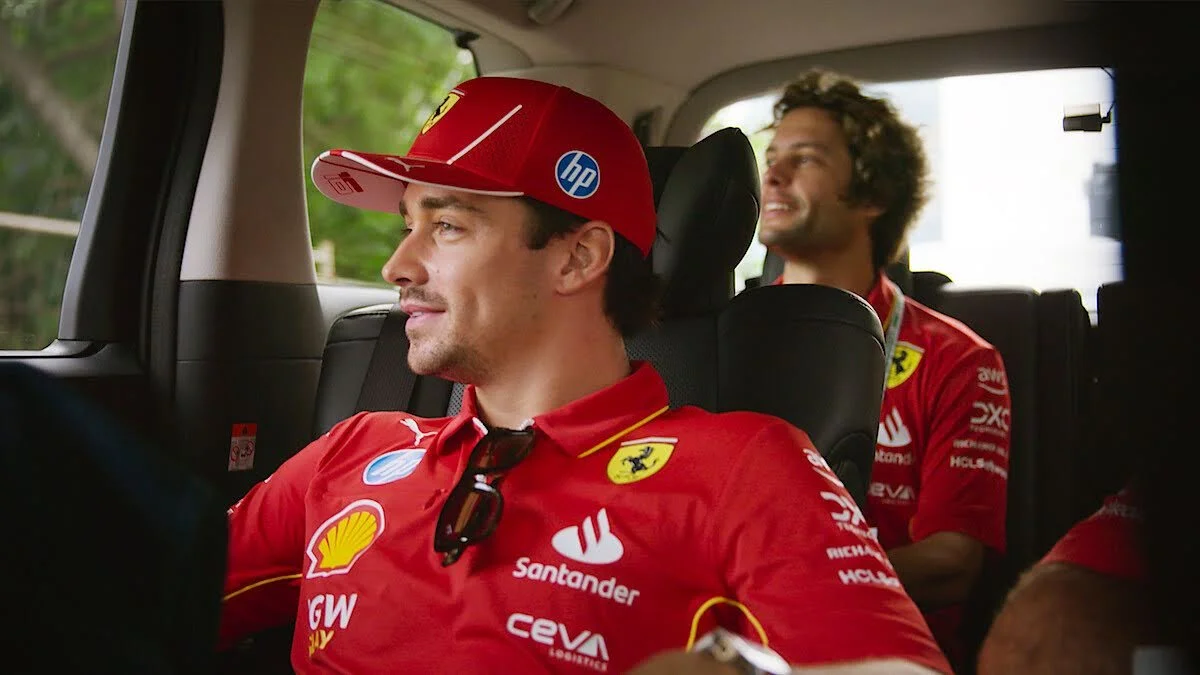
Image: Netflix
Formula 1: Beyond the Pit Lane
Historically, a petrolhead's paradise, the sport has made huge strides in attracting a female audience. Women now make up 42% of F1’s total global fanbase, a massive leap from 2017, when female representation sat at just 8%.
The Netflix series Drive to Survive played a pivotal role, humanising the drivers and teams, and showcasing the drama both on and off the track. This narrative-driven approach resonated deeply, bringing in a wave of new fans who might not have previously been interested in the technicalities of racing. We've seen a surge in female attendance at races, a rise in merchandise sales tailored to women, and increased engagement on social media. For marketers, this means understanding that the appeal extends beyond pure engineering to the personalities, rivalries, and compelling stories within the sport.
The strategic genius here was recognising that while the core male audience might be drawn to the technical innovation and raw speed, a broader audience, including many women, is captivated by the human element: the ambition, the pressure, the triumphs, and the heartbreaks.
Luxury brands, such as Louis Vuitton, which embarked on a 10-year sponsorship deal with F1, have found a natural alignment, as F1 events often blend sport with high-end lifestyle experiences, appealing to a sophisticated female demographic. Mecca Cosmetics also have activated at the F1 in Melbourne with their Beauty Pitstop.
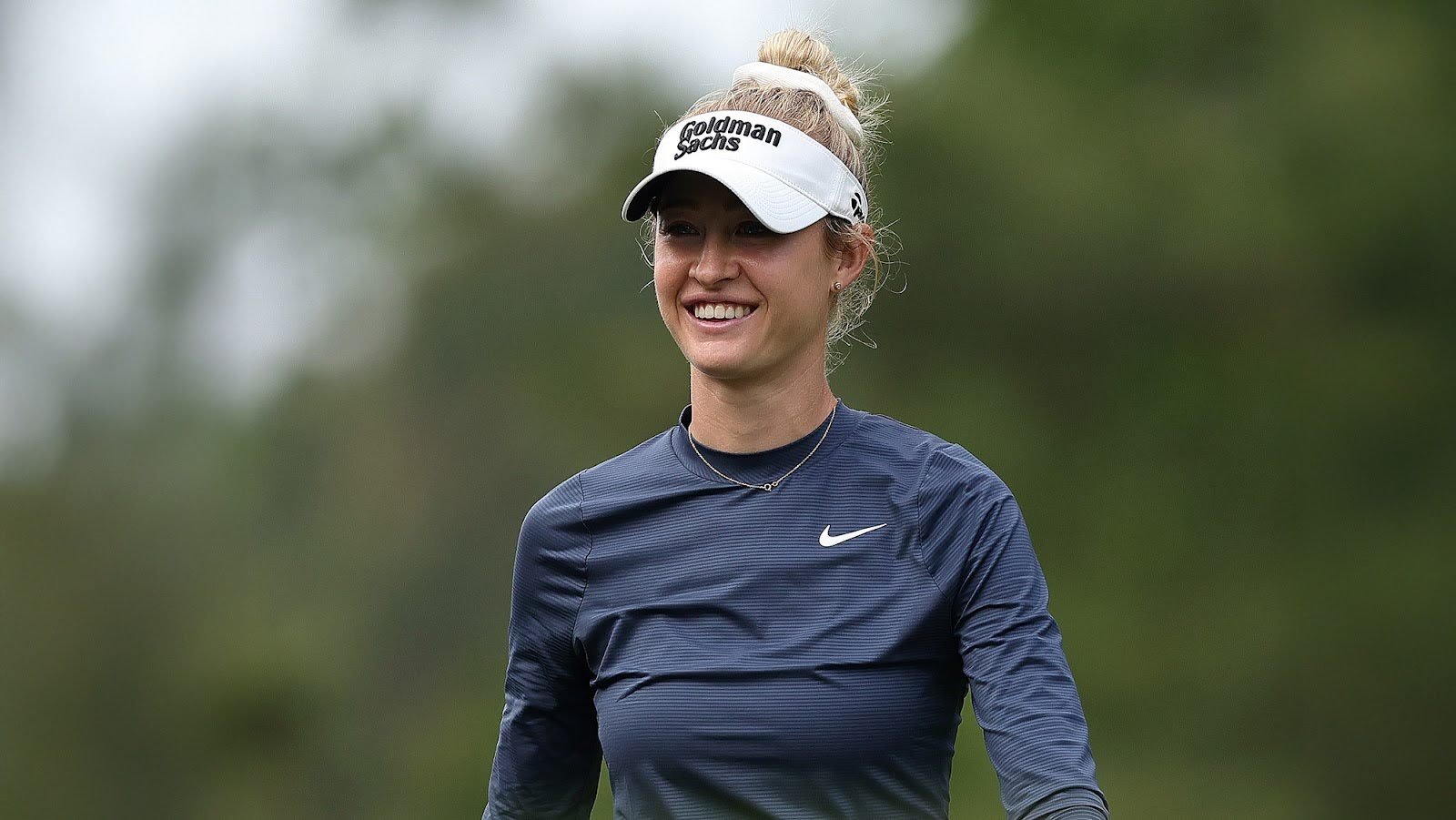
Golf: Driving New Audiences to the Green
Golf has long battled an image of exclusivity and an older, predominantly male demographic. However, initiatives to make the sport more accessible and inclusive are bearing fruit, particularly among women.
From a marketing perspective, this opens up significant opportunities. Apparel brands, for instance, are no longer just focusing on functional, conservative gear. They are developing stylish, performance-oriented clothing that women want to wear both on and off the course. Brands like Nike and Adidas are leading the way, but smaller, dedicated golf apparel brands are also thriving by designing for the modern female golfer. Equipment manufacturers are also seeing the need to create clubs and accessories specifically designed for women's swing speeds and physical characteristics. Beyond products, experiences are key. Resorts and golf clubs that offer female-friendly clinics, social events, and even childcare options during rounds are finding success. Brands could sponsor these initiatives, positioning themselves as enablers of female participation and enjoyment in the sport.
NBA
NBA has also experienced an increase in engaged female fans and this is not lost on fashion brands. In 2023, Kim Kardashian’s brand, SKIMS, became the official underwear partner for the NBA, WNBA, and USA Basketball. Luxury brands such as Prada and Gucci are often featured in the coveted “Tunnel walkthrough” where players showcase their fashion prior to the game.
How Brands Should Tap into this Growing Market
To effectively engage female sports fans, brands need to move beyond outdated assumptions and adopt a multi-faceted approach:
Authentic Representation: This is paramount. Female fans want to see themselves reflected authentically in marketing campaigns, not as afterthoughts or stereotypes. Show women actively participating, cheering passionately, discussing tactics, and enjoying the social aspects of sports. Diversify the faces in your ads, ensuring they represent a range of ages, ethnicities, and body types. Avoid "pinkwashing" – simply adding pink to existing products is often seen as condescending and inauthentic.
Narrative-Driven Content: As seen with F1's Drive to Survive, stories resonate deeply. Focus on the human elements of sports: the journeys of athletes, the rivalries, the teamwork, the triumphs over adversity. This appeals to a broader emotional spectrum and helps build deeper connections beyond just the game's outcome. Brands can create their own content or partner with leagues and media companies to tell these stories.
Community Building: Women often value community and shared experiences. Brands can facilitate this by sponsoring fan groups, hosting exclusive events, creating online forums, or supporting local sports leagues. Think about how to bring female fans together to celebrate their shared passion. This fosters loyalty and advocacy.
Tailored Product Development & Marketing: Go beyond superficial changes. For apparel, this means designing genuinely functional and fashionable clothing for women, considering fit, style, and performance. For experiences, it means thinking about the amenities, atmosphere, and scheduling that would appeal to a female audience. This also extends to messaging: understand what aspects of the sport appeal most to women and highlight those in your campaigns.
Athlete Endorsements with Purpose: Partner with female athletes who embody values that resonate with your target audience. These partnerships should extend beyond simply using their image; they should involve the athlete in meaningful ways, allowing them to share their story and connect with fans. Supporting female athletes also sends a powerful message about gender equality.
Accessibility and Inclusivity: Brands can advocate for and support initiatives that make sports more accessible to women, whether it's through grassroots programs, safe viewing spaces, or family-friendly events. Demonstrating a genuine commitment to inclusivity enhances brand perception and attracts a wider audience.
Data-Driven Insights: Don't guess. Invest in market research to understand the specific motivations, preferences, and consumption habits of female sports fans within your target demographic. What social media platforms do they use? What content formats do they prefer? What influences their purchasing decisions? Use these insights to refine your strategies continually.
The rise of the female sports fan is not a niche trend but a significant, enduring shift. Brands that recognise this, genuinely invest in understanding and engaging this powerful demographic and adapt their strategies accordingly, will not only achieve commercial success but also contribute to a more inclusive and vibrant sports landscape for everyone.
Team Contributor: Michaela Scott
Get in touch: michaela.scott@arrowvane.com | LinkedIn